About
I started in physics because I wanted to know how the universe works: summers at Fermilab and CERN testing detector hardware and writing particle-tracking software, school years writing radar algorithms as an Army contractor. Physics taught me to look for the system behind a symptom and to trust a measurement over a hunch. The CERN theorists also inadvertently taught me I was never going to be one of them.
So I did what any failed physicist does and took the LSAT. After a Stanford Law fellowship representing artists and documentary filmmakers, I led the appellate division of a Pennsylvania firm, argued regularly before the state Superior and Supreme Courts, and wrote a couple of petitions to the U.S. Supreme Court. Appellate work is writing for a skeptical reader who owes you nothing: one argument, the facts that carry it, no hyperbole. I still work that way. The law degree keeps earning its keep, too: it gave me a head start with the CFTC, the NFA and the state gaming regulators I’ve worked with since, and I’ve held gaming key licenses in five states.
I missed making things, so I went back to software: mobile apps at Fastcase, then streaming apps at Warner Bros. Digital Labs. At Penn Interactive I got to build a team from scratch, starting with the smartest engineers I’d ever worked with, including some of my favorite colleagues from Warner Bros. In sports betting every bet is someone’s real money and every state has its own regulator. Building the product was hard. Building a team that trusted each other enough to ship under that scrutiny was harder, and it mattered more.
Since then I’ve led engineering at Fanatics Betting & Gaming and Fanatics Markets, and moved into product at Meta. I’ve always liked to flex into as many parts of the business as I can, and building product at Meta gives me room to land diffs, design product features and negotiate business contracts. On my own time I build small products under Mind Meat Machine, including Cigarista and Humm. Somewhere along the way, in Penn State’s human-computer interaction PhD program, I co-authored research on how people read license agreements (CHI ‘16) and on avatars and exercise (Cyberpsychology). Here I write about building products, leading the people who build them, and what AI changes about both.
Experience
- 2026 – presentMetaDirector of Product
Specializing in new 0→1 product builds.
- July 2025 – July 2026Fanatics MarketsVP, Head of Engineering
Built Fanatics Markets from concept to dev-complete in under 90 days: the first major US sportsbook operator to launch a prediction market.
- 2023 – July 2025Fanatics Betting & GamingVP, Head of Engineering, Core Engineering
Led the shared services behind Fanatics Sportsbook and Casino: customer accounts, wallet and payments, loyalty and promotions, responsible gaming, search, and user-facing AI and ML.
- 2019 – 2022Penn InteractiveVP and Head of Engineering
Built the engineering organization behind Barstool Sportsbook and theScore from 1 to 300 engineers, ran it as de facto CTO, and launched in 13 states, starting with Pennsylvania in September 2020.
- 2018 – 2019The Meet GroupSenior Software Engineer
Re-architected the ad-network integration across a portfolio of dating and live-streaming apps, and led ad integration for the apps the company acquired.
- 2015 – 2018Warner Bros. Digital LabsVertical Team Lead, DramaFever iOS
Led DramaFever’s iOS team and built the core video-streaming libraries used across Warner Bros.’ direct-to-consumer apps.
- 2013 – 2015FastcaseMobile Developer
Wore several hats at a legal research startup. The one that stuck was taking over the mobile app and rewriting a chunk of it.
- Private practice: Morgan Lewis, Fox Rothschild, The McShane FirmVarious titles
Led a Pennsylvania firm’s appellate division, argued regularly before the state Superior and Supreme Courts, researched complicated constitutional and commercial legal questions, and ran conflicts checks.
How I lead
People first
Happy, fulfilled people build the best software. Other leaders optimize for the business or the technology; I optimize for the people, because for me that has led to better outcomes. My weekly one-on-ones are the most important time I spend all week: the people in them are closer to the work than I am, and they tell me how things are actually going in a way no dashboard can.
Every role matters
My strictest interview rule: if I think a candidate would meet our most junior QA engineer and think “I’m more important than them,” they don’t get an offer, whether they’re an engineer or a VP. I’ve watched the most junior QA engineer on a team catch the bug nobody else did, and save me and the senior engineer who built the feature from looking foolish. The rule covers me too. If you hear me talking down to anyone, call me out.
Context, not tickets
Engineers make better decisions when they know why the work matters and how it will be judged. So context is public by default: my calendar is open to the team, and questions go in a shared channel rather than my DMs, so the next person gets the answer too. If I hand you something poorly defined, ask what I mean and how much it matters before you start.
Quiet isn’t the same as fine
Years ago, after news stories put the public face of a company I worked for in a bad light, my team was furious, and I spent days talking with dozens of them. Other leaders told me their teams weren’t saying a word. When some of those people later came to work for me, they said they’d been just as upset. They hadn’t felt safe saying so. I will always lend a thoughtful ear to my team.
No smart jerks
Like a lot of tech leaders, I once kept a brilliant engineer who was toxic to the team, because I thought we needed them to hit our deliverables. As soon as we let them go, the team and the teams around it told me the atmosphere had changed, and the team was immediately more productive. If we’re doing our jobs well, losing any one person shouldn’t seriously hurt the team. That includes me.
Builders, not coders
I don’t think “coder” survives as a profession for another five years. Engineers will spend less time typing and more time on metrics, architecture and strategy: helping write the PRD instead of sending it back, prototyping from the design system instead of waiting for a polished mock. AI multiplies the output of people who work that way, and all it takes is curiosity and a willingness to change, frequently. My job is to make room for that. It’s the whole bet behind why I moved to Meta, into a hybrid builder role.
Off hours
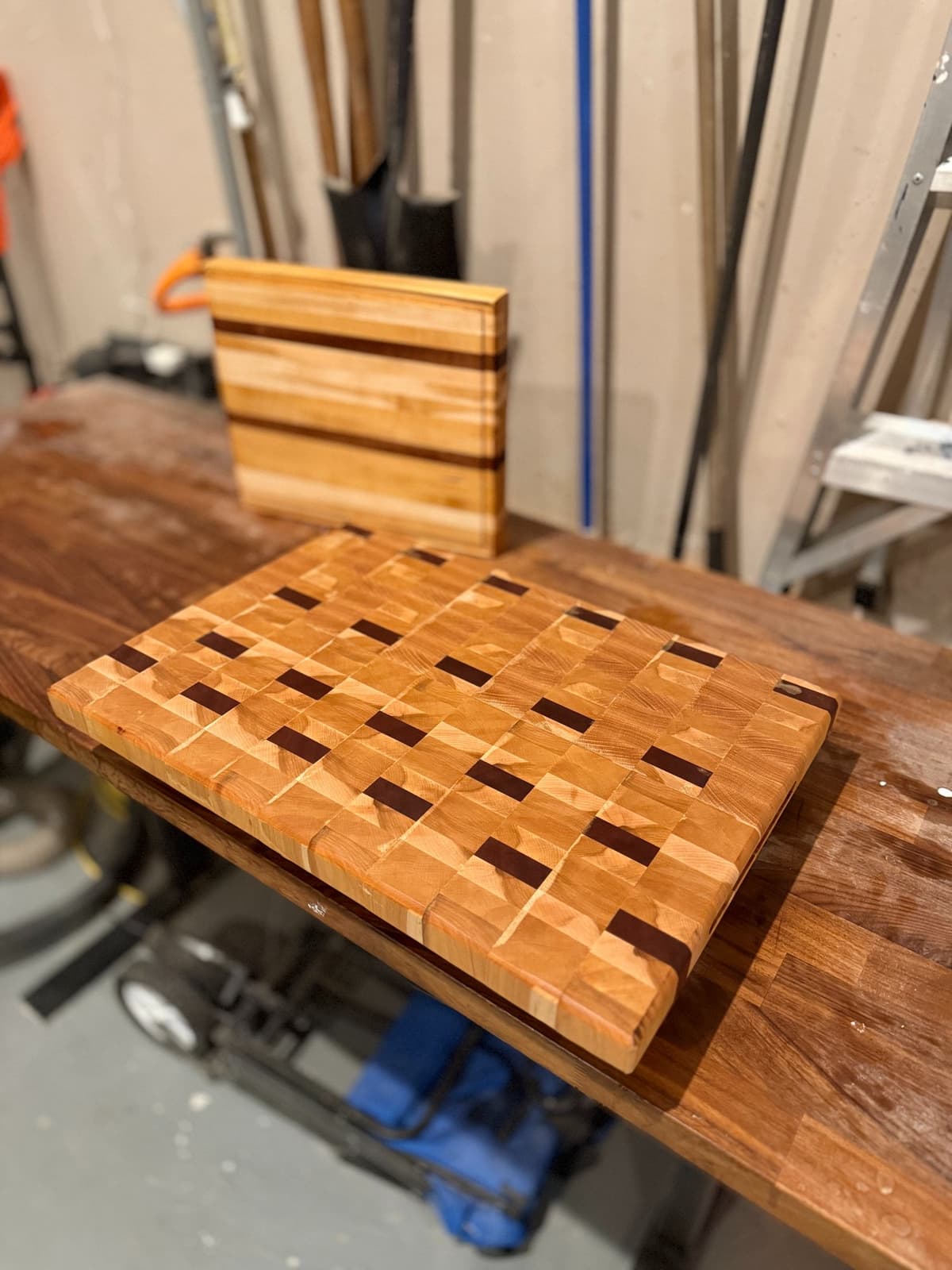
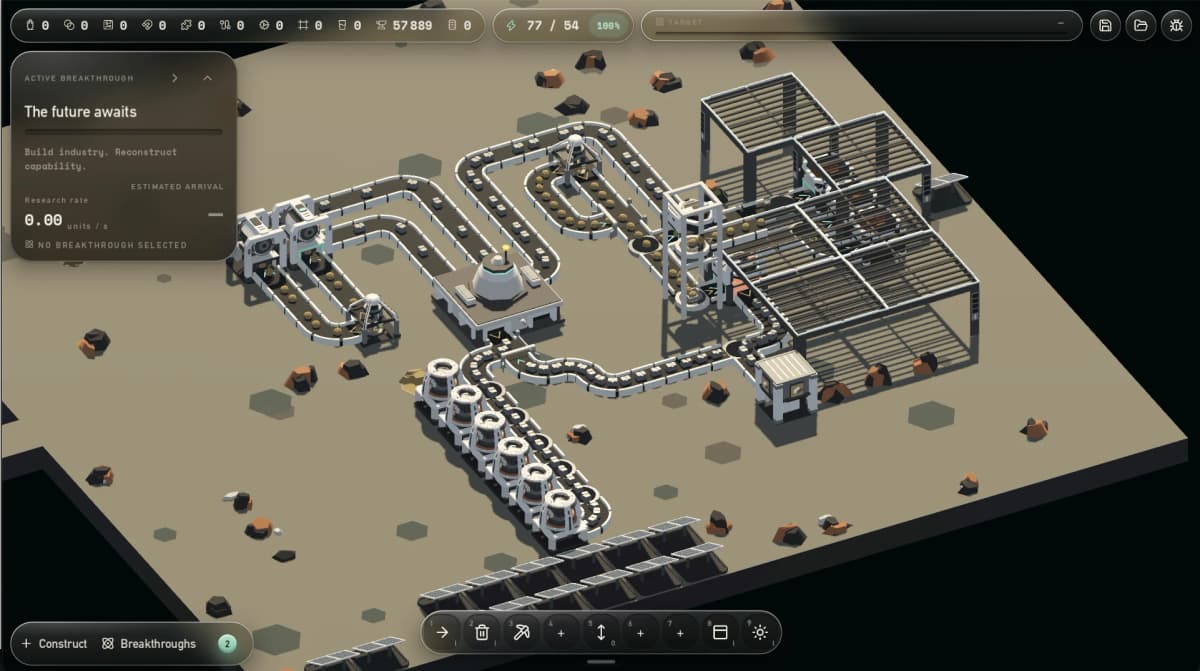
I make furniture and end-grain cutting boards, even though it’s expensive, takes forever, and a machine might be able to do it better. BoardCraft is my rewrite of CBdesigner, an open-source board designer, so I can see a board in 3D and get the cut list before I touch any wood. The rest of the time it’s reading, hiking around Philadelphia, and building a game in my spare time: factory automation, somewhere between Factorio and Satisfactory.